


How to Choose a Mattress in a Box: Your Guide to Compressed Mattresses
The mattress-in-a-box revolution has transformed how we buy sleep products, offering convenience, value, and direct-to-consumer quality. These compressed, vacuum-sealed mattresses are shipped directly to your door, but with so many options, choosing the right one requires careful consideration. This guide will help you navigate the key factors for selecting the perfect compressed mattress.
1. Understand the Compression Process & What It Means
First, know that compression does not compromise quality. A high-quality mattress is simply vacuum-sealed and rolled for shipping. Once unboxed and allowed to expand (a process called "off-gassing"), it returns to its intended size, firmness, and performance. The compression is purely for logistics.
2. Know the Mattress Types Available
Most mattress-in-a-box models fall into these categories. Your choice depends on your preferred feel and sleeping needs.
- All-Foam (Memory Foam or Polyfoam): The most common type. Offers excellent pressure relief and motion isolation. Ideal for side sleepers and couples.Look for: CertiPUR-US® certified foams (ensures low VOC emissions), zoned support layers, and cooling gel or graphite infusions to combat heat retention.
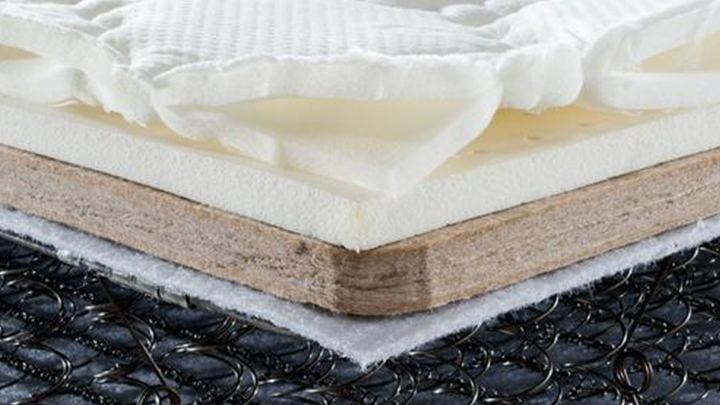
- Hybrid: Features a layer of pocketed coils (usually individually wrapped) beneath 2-4 inches of foam (memory, latex, or polyfoam). Combines the contouring of foam with the support, bounce, and breathability of springs.Look for: High coil counts, reinforced edge support, and quality comfort layers. Best for back/stomach sleepers, hot sleepers, and those who want a more traditional mattress feel with modern benefits.
- Latex: Less common but growing. Uses natural or synthetic latex layers, which are naturally cooling, responsive, and durable. Often heavier and pricier when shipped compressed.Look for: GOLS (organic) or OEKO-TEX certifications and details on the Dunlop vs. Talalay process.
3. Prioritize Key Performance Factors
- Firmness & Feel: This is highly personal. Most brands offer a scale (Soft, Medium, Firm). Consider your sleep position:Side Sleepers: Generally need Medium-Soft to Medium to cushion shoulders and hips.Back & Stomach Sleepers: Typically need Medium-Firm to Firm for proper spinal alignment.Combination Sleepers: Medium is often the safest, most versatile choice.
- Motion Isolation: Critical for couples. All-foam mattresses excel here, as they absorb movement. Most hybrids with pocketed coils also perform very well.
- Temperature Regulation: A common concern with foam. Look for features like:Cooling Covers: Phase-change materials, breathable fibers (e.g., Tencel, polyester), or moisture-wicking treatments.Infused Foams: Gel, copper, or graphite infusions that help dissipate heat.Breathable Constructions: Hybrids are inherently cooler due to air flow through the coils. Latex is also naturally cooling.
- Edge Support: Important for sitting on the edge and using the full sleep surface. Hybrids typically have the best edge support due to reinforced coil perimeters. Many all-foam models now include firmer foam borders.
- Durability: Look for high-density foam core layers (indicators of longevity) and quality materials. A thicker comfort layer (3-4 inches) often feels more luxurious and may last longer.
4. Decipher the "Specs" and Certifications
Don't just trust marketing claims. Look for:
- Material Listings: A transparent breakdown of each layer's material, density (for foam, higher is generally more durable), and thickness.
- Certifications:CertiPUR-US®: Essential for foam mattresses. Certifies foams are made without harmful chemicals (formaldehyde, heavy metals) and have low VOC emissions.GREENGUARD Gold: A stricter standard for low chemical emissions, good for those with allergies or chemical sensitivities.GOTS/GOLS: Relevant for organic latex or cotton covers.
5. Maximize the Direct-to-Consumer Model: Trials, Warranty & Setup
- Risk-Free Trial: This is your safety net. Look for a minimum 100-night trial period. It takes 3-4 weeks for your body to adjust to a new mattress. Use the full trial period.
- Warranty: A minimum 10-year, non-prorated warranty is standard for quality. It should cover manufacturing defects and significant sagging (e.g., over 1.5 inches).
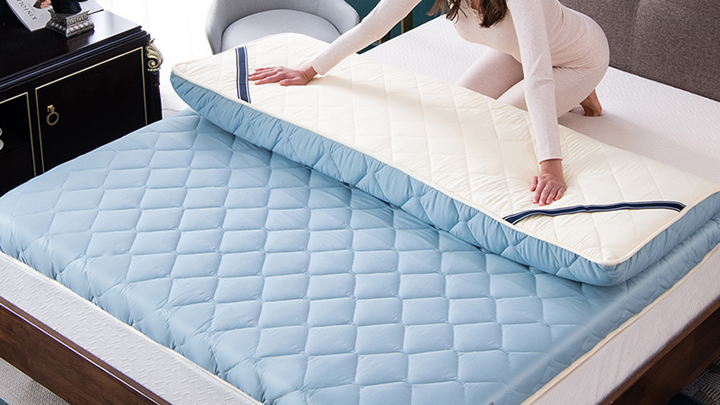
- Unboxing & Expansion: Follow the brand's instructions carefully. Unpack on your bed frame. Use a sharp tool (with care!) to cut the plastic—never a knife. Allow 24-72 hours for full expansion and off-gassing (a temporary, harmless odor). The mattress will be sleepable within hours, but its final feel takes a day or more.
Your Selection Checklist:
- Identify Your Need: Primary sleep position, any pain points (e.g., back pain), sleeping hot or cold, sharing the bed?
- Choose Your Type: Start by deciding between All-Foam (for pressure relief/quiet) and Hybrid (for support/bounce/cooling).
- Research & Shortlist: Read in-depth reviews from multiple sources. Focus on detailed reviews that discuss long-term performance.
- Compare Policies: Before clicking "buy," compare the trial length, warranty details, return fees (if any), and shipping costs.
- Prepare for Delivery: Ensure your room is ready and you have help moving the box (hybrids can be very heavy).
By focusing on construction, performance features tailored to your sleep style, and the protective policies of the brand, you can confidently choose a compressed mattress that delivers restful sleep for years—all from the convenience of a single, surprisingly compact box.