


How to Choose the Perfect Latex Mattress: Your Complete Guide
In the quest for a healthier, more natural, and supremely comfortable sleep, latex mattresses have surged in popularity. Prized for their durability, responsiveness, and eco-friendly credentials, they offer a unique feel that stands apart from traditional innersprings and memory foam. However, navigating terms like "Dunlop vs. Talalay," "natural vs. blended," and varying firmness levels can be complex. This guide will demystify the process and help you find the ideal latex mattress for your needs.
1. Understand the Types of Latex: Core Differences
This is the most crucial starting point. Not all latex is created equal.
- Natural Latex: Sourced from the sap of the rubber tree (Hevea brasiliensis). It is the most eco-friendly, durable, and breathable option. It is naturally resistant to dust mites, mold, and mildew. Look for certifications like GOLS (Global Organic Latex Standard) to verify organic content.
- Blended Latex: A mix of natural latex and synthetic latex (derived from petrochemicals). It offers a similar feel at a lower cost but is less eco-friendly and may not have the same longevity or breathability as 100% natural latex.
- Synthetic Latex: Made entirely from petrochemicals. It is the least expensive and least durable option, with minimal environmental benefits. It often lacks the resilient bounce of natural latex.
Recommendation: For health, longevity, and performance, prioritize mattresses with a high percentage of natural latex (95% or above). Certifications are key.
2. Decode the Manufacturing Process: Dunlop vs. Talalay
The processing method significantly affects the feel of the latex layer.
- Dunlop Process: The older, simpler method. Latex is poured into a mold and vulcanized. It results in a denser, firmer, and more supportive latex layer. It tends to have a slightly heavier feel and may have a denser bottom.
- Talalay Process: A more complex method involving vacuum sealing and flash freezing before vulcanization. This creates a latex that is softer, more consistent, and breathable with a lighter, bouncier feel. It offers superior pressure relief and contouring.
Which to choose?
- For Support & Firmness: Choose Dunlop for the core/base layers or if you prefer a solid, firm feel.
- For Comfort & Pressure Relief: Choose Talalay for the top comfort layers, especially if you prefer a plusher, cloud-like feel.
- Many high-quality mattresses use a combination: a Dunlop base for stability and a Talalay top for comfort.
3. Determine Your Ideal Firmness and Construction
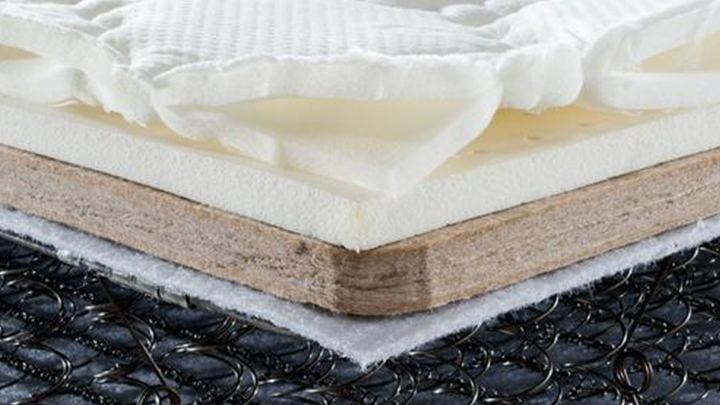
Latex mattresses often use a layered "zoned" construction, allowing for customizable firmness.
- Firmness Levels: Typically rated on a scale from Soft to Extra-Firm. Your choice depends on sleep position and weight:Side Sleepers: Benefit from Soft to Medium to cushion shoulders and hips.Back Sleepers: Usually prefer Medium to Firm for spinal alignment.Stomach Sleepers: Need Firm to prevent the hips from sinking too deeply.Combination Sleepers: Medium is a versatile safe bet.
- Construction (GFL vs. Latex over Coils):All-Latex or GFL (Grafted Foam Latex): Multiple layers of pure latex, often in different firmnesses (e.g., firm base, medium mid-layer, soft top). This offers the most authentic latex experience, excellent durability, and superior breathability.Latex Hybrid: A layer of latex (usually 2-3 inches) on top of a pocketed coil support core. This combines the pressure-relieving bounce of latex with the robust support and edge-to-edge stability of coils. A great option for those who like the feel of springs.
4. Evaluate Key Performance Factors
- Motion Isolation: Natural latex is responsive but does not absorb motion as completely as memory foam. Talalay latex and layered constructions isolate motion better than bouncy Dunlop. For couples, a zoned or hybrid model can be excellent.
- Temperature Regulation: This is a major strength. Latex is inherently breathable due to its open-cell structure. Talalay latex, with its more uniform pores, is particularly cooling. All-latex and latex-hybrid mattresses sleep much cooler than all-foam beds.
- Durability & Lifespan: High-quality natural latex is exceptionally durable, often outlasting other mattress types by years (15-20+ years is common). It resists sagging and maintains its resilience far longer than polyfoam or memory foam.
- Edge Support: All-latex mattresses generally have very good, consistent edge support. Latex hybrids typically offer the strongest edge support due to their reinforced coil perimeter.
5. Prioritize Certifications and Transparency
Trustworthy manufacturers are transparent. Essential certifications include:
- GOLS: Certifies the organic status of the latex material.
- GOTS (Global Organic Textile Standard): Certifies the organic status of the fabric cover.
- OEKO-TEX Standard 100: Verifies that the fabric and materials are free from harmful levels of chemicals.
- Eco-Institut: A rigorous European certification for low emissions and pollutant-free products.
Your Step-by-Step Selection Plan
- Set Your "Natural" Priority: Decide your budget for natural vs. blended latex. Aim for the highest natural latex content you can afford.
- Identify Your Feel Preference: Do you want the buoyant, consistent pressure relief of Talalay, or the solid, firm support of Dunlop? Consider a combo build.
- Choose a Construction Type: Decide between the pure, breathable feel of an all-latex mattress or the supportive, familiar feel of a latex hybrid.
- Select Firmness Based on Sleep Style: Use the guide above to match firmness to your primary sleep position.
- Research Brands Thoroughly: Read reviews, scrutinize material breakdowns, and verify certifications. Reputable companies will list all components and their origins.
- Leverage Sleep Trials & Warranties: Always purchase from a company offering a minimum 100-night risk-free trial (the body needs time to adjust). Look for a non-prorated warranty of 15-25 years, which reflects the expected longevity of latex.
A latex mattress is a significant investment in long-term sleep health. By focusing on the core material (natural latex), understanding the feel dictated by the Dunlop/Talalay processes, and choosing a construction that suits your body, you can unlock decades of comfortable, cool, and supportive sleep. The upfront research is well worth the enduring reward.