


How to Choose the Perfect Spring Mattress: A Comprehensive Guide
A good night's sleep is foundational to our health and well-being, and at the heart of a great sleep experience is the right mattress. Among the various types available, the spring mattress (or innerspring mattress) remains a classic and popular choice for its responsive support, durability, and cooling properties. However, with countless options on the market, selecting the perfect one can feel overwhelming. This guide will walk you through the key factors to consider.
1. Understand the Spring System (The Core)
The type and quality of coils are the most critical aspect. There are three main types:
- Bonnell Coils (Hourglass Coils): The traditional, interconnected hourglass-shaped coils. They offer firm, sturdy support but can transmit motion easily. A budget-friendly option.
- Pocketed Coils (Encased Coils): Each coil is individually wrapped in a fabric pocket. This allows them to move independently, providing excellent contouring, minimizing motion transfer (ideal for couples), and targeting support to different body areas. Generally considered superior for comfort and alignment.
- Continuous Coils: Made from a single piece of wire forming rows of interconnected coils. They offer firm support and good durability with less sagging, but similar to Bonnell, they have higher motion transfer.
What to look for: For most sleepers, a pocketed coil system is the recommended choice for its balance of support and comfort. Also, consider the coil gauge (thickness of the wire). A lower number (e.g., 12-13 gauge) means thicker, firmer coils, while a higher number (e.g., 14-16 gauge) indicates thinner, softer coils. Coil count matters, but don't be swayed by extremely high numbers alone—quality and design of the coil system are more important than sheer quantity.
2. Consider Comfort Layers (The Cushioning)
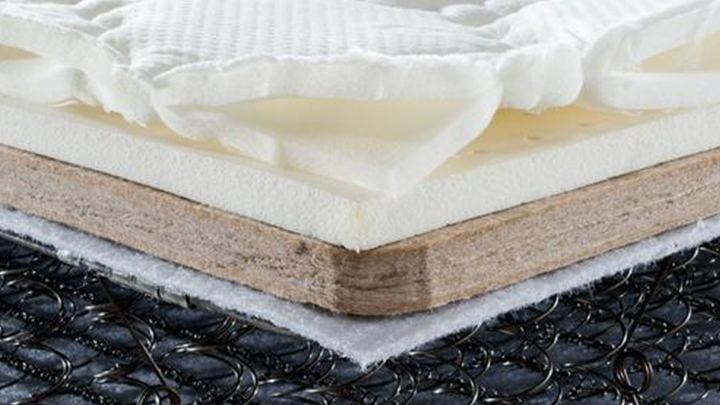
Above the spring unit lies the comfort layer, typically made of foam, fiber, or latex. This layer determines the initial feel and pressure relief.
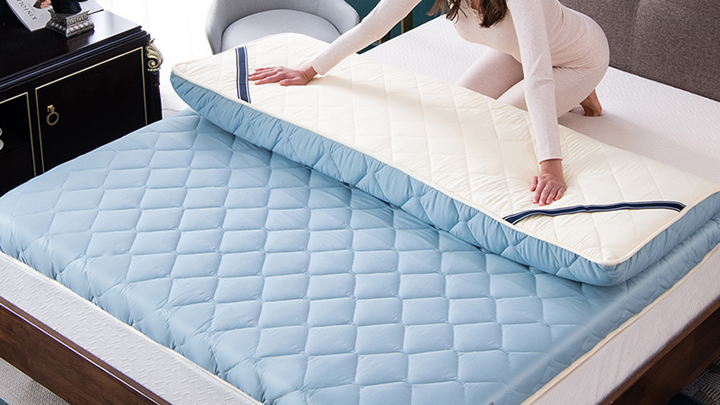
- Materials: Memory foam contours closely to the body, relieving pressure points. Polyfoam is more responsive and breathable. Latex offers a buoyant, supportive feel and is naturally cooling. Pillow-tops or euro-tops provide an additional plush layer sewn on top for a softer feel.
- Firmness Level: This is subjective and depends on your sleep position and weight.Side Sleepers: Usually benefit from Medium-Soft to Medium firmness to cushion shoulders and hips.Back and Stomach Sleepers: Typically need Medium-Firm to Firm support to keep the spine in neutral alignment.Combination Sleepers: A Medium firmness is often the most versatile.
3. Assess Support and Spine Alignment
The primary job of a mattress is to support your spine in a neutral position, regardless of your sleeping posture. When testing, your hips and shoulders should sink in slightly, while your waist and lower back are supported. There should be no gaps or excessive sinking.
4. Motion Isolation
If you share the bed, consider how well the mattress absorbs movement. Pocketed coil systems excel here, as do mattresses with thick comfort layers of memory foam. Bonnell and continuous coil systems tend to have poorer motion isolation.
5. Temperature Regulation
Spring mattresses are inherently more breathable than all-foam beds due to the air circulation through the coils. However, if you sleep hot, look for models with cooling comfort layers (gel-infused foam, breathable latex, or phase-change materials) and breathable, moisture-wicking covers.
6. Durability and Edge Support
A high-quality spring mattress should last 7-10 years. Look for robust coil systems and high-density foam comfort layers. Edge support is crucial for sitting on the side of the bed and using the full sleep surface. Mattresses with reinforced edges (e.g., firmer foam borders or high-gauge perimeter coils) prevent excessive sagging.
7. The Practicalities: Trial Periods, Warranties, and Budget
- Trial Period: Always buy from a company offering a risk-free home trial (often 90-120 nights). It takes time for your body to adjust.
- Warranty: Look for a warranty of at least 10 years, covering manufacturing defects and significant sagging (often over 1.5 inches).
- Budget: Spring mattresses range from budget to luxury. Set a realistic budget, but remember, a mattress is a long-term investment in your health. Quality often correlates with price.
Your Step-by-Step Action Plan
- Identify Your Needs: Primary sleep position, body weight, any pain points (e.g., back pain), sleeping alone or with a partner.
- Research & Shortlist: Focus on pocketed coil systems with positive reviews for support and durability. Narrow down based on your desired firmness and material preference.
- Test In-Store (If Possible): Lie down in your typical sleep position for at least 10-15 minutes. Wear comfortable clothing.
- Ask Questions: Ask about coil type, coil gauge, comfort layer materials, and warranty details.
- Review Policies: Before buying online or in-store, thoroughly understand the return, trial, and warranty policies.
By understanding these key elements—spring system, comfort layers, support, and the practical guarantees—you can move beyond marketing jargon and make an informed decision. Investing time in choosing the right spring mattress will pay dividends in restful sleep and energized mornings for years to come.